Joinery is a traditional woodworking discipline that involves the precise assembly of timber components to construct both functional and decorative items. This craft has been practised for millennia and continues to evolve whilst maintaining its fundamental principles, establishing it as a respected skill in both heritage and modern applications. The practice of joinery extends beyond simple wood assembly; it requires comprehensive knowledge of timber characteristics, design principles, and the relationship between structural integrity and visual appeal.
Examples range from the precise dovetail joints found in quality furniture to the substantial framework of timber buildings, demonstrating the craftsperson’s capacity to convert raw materials into finished products. Joinery encompasses numerous techniques suited to different applications. Established methods including mortise and tenon joints, lap joints, and finger joints have been transmitted across generations, each offering specific structural and visual properties.
These approaches demand thorough understanding of timber behaviour, including grain orientation, moisture levels, and material density. Practitioners must develop both technical proficiency and design awareness to produce items that achieve both functional and aesthetic objectives. In contemporary manufacturing environments dominated by industrial production, joinery continues to represent skilled craftsmanship and manual expertise, highlighting the importance of traditional making processes in modern construction and furniture production.
Selecting the appropriate materials is paramount in joinery, as it directly influences both the comfort and elegance of the final product. Wood species vary significantly in terms of appearance, durability, and tactile qualities. For instance, hardwoods such as oak, walnut, and cherry are often favoured for their strength and rich grain patterns, making them ideal for high-end furniture and cabinetry.
These woods not only provide structural integrity but also contribute to a warm and inviting aesthetic that enhances any interior space. The choice of material can evoke different emotions; for example, lighter woods like maple or ash can create a sense of airiness and modernity, while darker woods can impart a feeling of sophistication and warmth. In addition to aesthetics, the environmental impact of material selection is becoming increasingly important.
Sustainable sourcing practices are now at the forefront of many joiners’ minds. Using reclaimed wood or certified sustainable timber not only reduces the ecological footprint but also adds character to the finished piece. Each plank tells a story, with its unique imperfections and history contributing to the overall charm of the joinery work.
Furthermore, incorporating materials such as bamboo or engineered wood can offer innovative solutions that combine sustainability with elegance, allowing artisans to push the boundaries of traditional joinery while remaining mindful of their environmental responsibilities.

Precision is the cornerstone of effective joinery; it is what separates amateur work from professional craftsmanship. Each joint must be meticulously measured and cut to ensure a perfect fit, as even the slightest miscalculation can compromise the integrity of the entire structure. This level of detail requires not only skill but also patience and an unwavering commitment to quality.
Joiners often employ a variety of tools, from chisels and hand saws to modern machinery, each serving a specific purpose in achieving that flawless finish. The ability to work with both hand tools and power tools allows artisans to adapt their techniques based on the project requirements while maintaining a high standard of accuracy. Moreover, attention to detail extends beyond mere measurements; it encompasses the finishing touches that elevate a piece from functional to extraordinary.
Sanding surfaces to a silky smoothness, applying stains or finishes that enhance the wood’s natural beauty, and ensuring that joints are not only strong but also visually appealing are all critical aspects of joinery. The joiner’s eye for detail can transform a simple piece into a stunning focal point within a room. For example, intricate carvings or inlays can add depth and character to furniture, showcasing the artisan’s skill while creating a unique narrative within each piece.
In joinery design, achieving a balance between functionality and aesthetics is essential for creating pieces that are both practical and visually appealing. Functionality dictates how well a piece serves its intended purpose; for instance, a well-designed cabinet must provide ample storage while being easy to access. However, aesthetics play an equally important role in ensuring that the piece complements its surroundings and resonates with its users on an emotional level.
This duality requires joiners to think critically about their designs, considering how each element contributes to both form and function. One approach to achieving this balance is through modular design principles, which allow for flexibility in use without sacrificing style. For example, a modular shelving system can be tailored to fit various spaces while maintaining an elegant appearance that adapts to changing needs over time.
Additionally, incorporating multifunctional elements—such as a coffee table that doubles as storage—can enhance usability while adding visual interest. By thoughtfully integrating these aspects into their designs, joiners can create pieces that not only serve practical purposes but also enrich the overall aesthetic experience of a space.
Joinery has a profound impact on the atmosphere of any space, particularly when it comes to creating warmth and inviting environments. The choice of wood species, finishes, and design elements all contribute to how a room feels. Natural wood tones evoke feelings of comfort and familiarity, making spaces more welcoming.
Moreover, the layout and integration of joinery elements can significantly influence how people experience a space. Open shelving units can display personal items or decorative pieces while maintaining an airy feel, whereas built-in cabinetry can provide seamless storage solutions that reduce clutter.
The strategic placement of joinery elements can guide movement within a room, enhancing flow and functionality while simultaneously fostering a sense of belonging. By thoughtfully considering how joinery interacts with light, colour, and texture within a space, artisans can craft environments that resonate with warmth and hospitality.
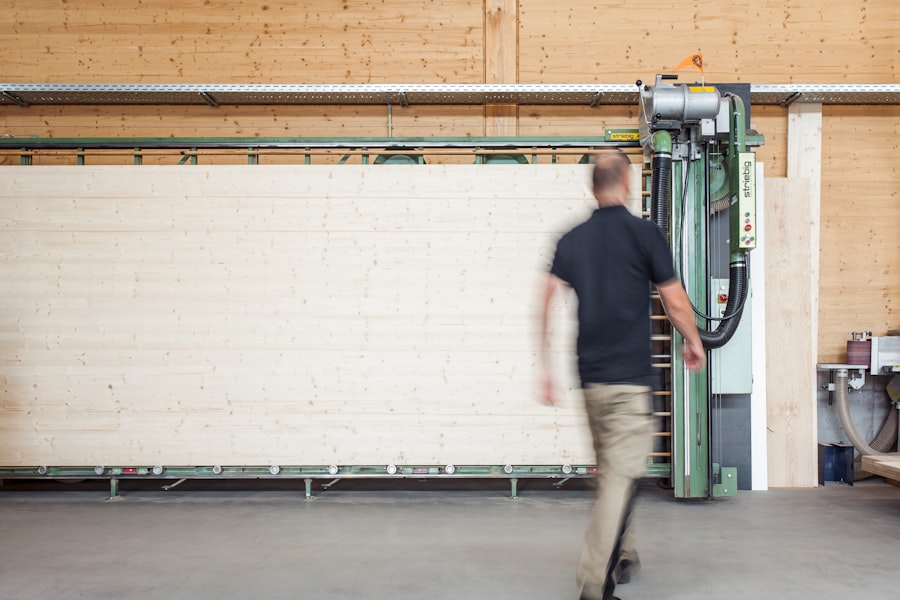
The intersection of modern technology and traditional joinery techniques has opened new avenues for innovation within this age-old craft. While hand tools remain essential for many aspects of joinery, advancements in technology have introduced precision machinery that enhances efficiency without compromising quality. Computer Numerical Control (CNC) machines allow for intricate designs to be executed with unparalleled accuracy, enabling artisans to explore complex patterns that would be challenging to achieve by hand alone.
However, technology does not replace traditional skills; rather, it complements them by expanding creative possibilities. For example, laser cutting technology can produce intricate inlays or engravings that add unique character to joinery projects.
This fusion of old and new techniques empowers artisans to push boundaries while honouring the craftsmanship that defines joinery.
Joinery plays a pivotal role in shaping the overall ambiance of any interior environment. It serves as both a functional element and a design statement that influences how spaces are perceived and experienced. Well-executed joinery can create focal points within rooms—such as an intricately designed staircase or an elegant built-in bookcase—that draw attention and invite exploration.
These features not only enhance visual interest but also contribute to the narrative of the space. Furthermore, joinery can help define different areas within an open-plan layout without resorting to walls or barriers. For instance, strategically placed wooden screens or half-walls can delineate spaces while maintaining an open feel.
This thoughtful approach allows for versatility in how spaces are used while ensuring that each area retains its unique character. By considering how joinery interacts with light, colour schemes, and furnishings, artisans can create cohesive environments that resonate with harmony and balance.
As we look towards the future of joinery, it is clear that innovation will continue to play a crucial role in shaping this craft’s evolution. Emerging trends indicate a growing emphasis on sustainability and eco-friendly practices within the industry. Joiners are increasingly exploring alternative materials such as reclaimed wood or composite materials that offer both durability and aesthetic appeal while minimising environmental impact.
Additionally, advancements in smart home technology are beginning to influence joinery design as well. Integrating smart features into furniture—such as built-in charging stations or adjustable shelving—can enhance functionality while maintaining elegance. This convergence of technology with traditional craftsmanship presents exciting opportunities for artisans to create pieces that not only meet contemporary needs but also reflect timeless beauty.
In conclusion, the future of joinery lies in its ability to adapt while remaining rooted in its rich heritage. By embracing innovation without losing sight of craftsmanship’s core values—precision, detail, functionality, and aesthetics—joiners can continue to create pieces that resonate with comfort and elegance for generations to come.
In exploring the theme of achieving a harmonious balance between comfort and elegance in joinery, one might find it insightful to read the article on creating an efficient and inspiring workspace. This piece delves into how thoughtful joinery can enhance both the functionality and aesthetic appeal of office environments, aligning perfectly with the principles discussed in “The Perfect Blend of Comfort and Elegance in Joinery.”
Joinery refers to the craft of connecting pieces of wood to create furniture, fittings, or architectural elements. It involves techniques such as dovetailing, mortise and tenon joints, and mitring to ensure strong and aesthetically pleasing connections.
Joinery enhances comfort by customising furniture and fittings to fit the specific needs and spaces within a home. Well-crafted joinery ensures durability, smooth finishes, and ergonomic designs that improve usability and overall comfort.
Joinery adds elegance through precise craftsmanship, attention to detail, and the use of high-quality materials. Features such as intricate mouldings, seamless joints, and polished finishes contribute to a refined and sophisticated appearance.
Common materials include hardwoods like oak, mahogany, and walnut, as well as softwoods such as pine and cedar. The choice of material depends on the desired aesthetic, durability, and function of the finished product.
Bespoke joinery offers tailored solutions that fit specific spaces and personal tastes, often resulting in higher quality and longer-lasting pieces. Mass-produced furniture may lack the custom fit and unique detailing that bespoke joinery provides.
High-quality joinery can enhance the aesthetic appeal and functionality of a property, making it more attractive to potential buyers. Custom features and elegant finishes often increase perceived value and marketability.
Regular cleaning, polishing, and occasional refinishing help maintain the appearance and durability of joinery. It is also important to protect wooden surfaces from excessive moisture and direct sunlight to prevent damage.
Yes, joinery can incorporate modern technology such as concealed lighting, built-in charging stations, and smart storage solutions, blending traditional craftsmanship with contemporary convenience.
Don’t Take Our Word For It
Aspec has recieved fantastic 5/5 Star Rating from its clients!
Professional from start to finish!
Wow! Omar was fantastic right from the very beginning! With 6 weeks to go until baby number 2s arrival, Omar delivered on his word to create a phenomenal outdoor kitchen for our alfresco area! It is exactly the vision we had in mind! We are so impressed with the workmanship and quality as well as the effort to get the work completed in such a tight timeframe. Very open and honest about pricing upfront also! Would highly recommend Omar and his team. The level of professionalism, honesty, workmanship and quality was spot on and always has time to discuss and go through any questions or concerns. Thank you A Spec Joinery for doing a fantastic job and in the short time we had to do it by! Particularly fitting us in a busy December!
Bianca M Vucetic
Professional from start to finish!
Great attentions to detail very informative throughout highly reccomend!
Mark, Double Bay
Professional from start to finish!
Omar installed a new kitchen for us. The process was easy and Omar kept in contact with us at all stages. The kitchen was installed in only a couple of days and looks fantastic. We’re very happy with the result.
Mat Pal
Professional from start to finish!
Omar was excellent to deal with. He and his team built and installed a large built-in wardrobe and cupboard, giving us good advice on the design. He was very professional in surveying the complex space for the units – it’s an older house with uneven floor and ceiling – and in preparing the design. His team constructed the units off-site within the time he indicated. Installation was complex and went very smoothly. The whole project was on time and on budget and the product delivered was of the highest quality. We would certainly use him again and recommend him to our friends.
Phillip Hart
Professional from start to finish!
Omar was fantastic to deal with and produced outstanding quality work for our new storage cupbaords and floating shelves. The final product was exactly what we wanted and made with care and attention. We highly recommend him for joinery and cabinetry works. Many thanks, Vince
Vincent Banton
Professional from start to finish!
Omar and his team are awesome. Professional, efficient and really went the extra mile creating beautiful joinery for my studio. Will definitely engage their services again and refer to anyone.
Carla Sconce
Professional from start to finish!
Dealt with Omar from A Spec on our office fit out, all work was done ahead of time and costs were maintained the whole way through. Would happily use A Spec again or recommend to anyone without hesitation.
Emanuel Karantonis
Professional from start to finish!
My experience with Omar and his team has been amazing and trouble-free.
Omar’s attention to detail and quick response time gave me comfort and confidence that the end product would be great.
Being in the construction industry, I couldn’t fault their workmanship and timing. Everything delivered on time and on budget.
Would definitely use Aspec Joinery again.
Ben Yee
Professional from start to finish!
Omar and the team at A Spec Joinery built our kitchen and bookshelves in 2021. The work is really high quality. It’s now 2024 and everything still looks great and functions just like the day they were built. I would highly recommend A Spec, particularly for the after build service. Nothing is too much trouble for Omar.
Alistair McLean
Professional from start to finish!
Omar and his team have worked wonders on all our joinery for our renovation, they constantly went above and beyond during all aspects of the build from planning to manufacturing and installation.
They have done an absolutely beautiful job and it is my pleasure to recommend A-Spec joinery to everyone.
Their professional attitude was exemplary and it was always lovely having Omar and the team in our house, they made an extremely stressful renovation into a positive experience.
A-Spec Joinery made our dreams come true and there are no words that can express how appreciative we are and so happy that we chose them.
If you want the best go with A-Spec Joinery.
Vincent & Anna
Vincent Jones
Professional from start to finish!
Paul Casey
Professional from start to finish!
Matt B
Professional from start to finish!
Our experience with A Spec Joinery was outstanding. We were happy with every phase of our project from initial concept to drawings to finished products. Omar and his team’s attention to detail was fantastic. Highly recommend!!!
Sharon Antonir
Professional from start to finish!
High quality work, on time on budget very professional would engage their services again 100%. 2yrs on asked Omar for additional work and once again very professional, on time and very helpful.
Maurice Natoli