A grand entrance serves as the first impression of a home, setting the tone for what lies beyond. It is not merely a passageway; it is an invitation that beckons guests to step inside and experience the unique character of the residence. The significance of a well-designed entrance cannot be overstated, as it reflects the homeowner’s style and taste while also providing a sense of warmth and welcome.
A thoughtfully crafted entrance can elevate the overall aesthetic of a property, making it stand out in the neighbourhood and leaving a lasting impression on visitors. Moreover, a grand entrance can enhance the functionality of a home. It often serves as a transitional space that connects the exterior to the interior, providing a buffer zone that can help manage the flow of foot traffic.
This area can be designed to accommodate various needs, such as storage for coats and shoes or even a small seating area for guests. By considering both aesthetics and practicality, homeowners can create an entrance that not only looks impressive but also serves a purpose, ultimately enriching the living experience within the home.
Selecting the appropriate joinery for your home is a crucial decision that can significantly impact both its appearance and functionality. Joinery encompasses a wide range of elements, including doors, windows, staircases, and cabinetry, all of which contribute to the overall character of a property. When choosing joinery, it is essential to consider factors such as material, style, and craftsmanship.
High-quality materials like hardwoods or engineered timber not only offer durability but also add warmth and elegance to any space. In addition to material selection, the style of joinery should harmonise with the architectural design of the home. For instance, traditional homes may benefit from classic joinery styles featuring intricate mouldings and detailed craftsmanship, while contemporary homes might favour sleek lines and minimalist designs.
It is also important to consider energy efficiency when selecting windows and doors, as modern joinery can significantly improve insulation and reduce energy costs. By carefully evaluating these aspects, homeowners can ensure that their joinery choices enhance both the beauty and functionality of their living spaces.
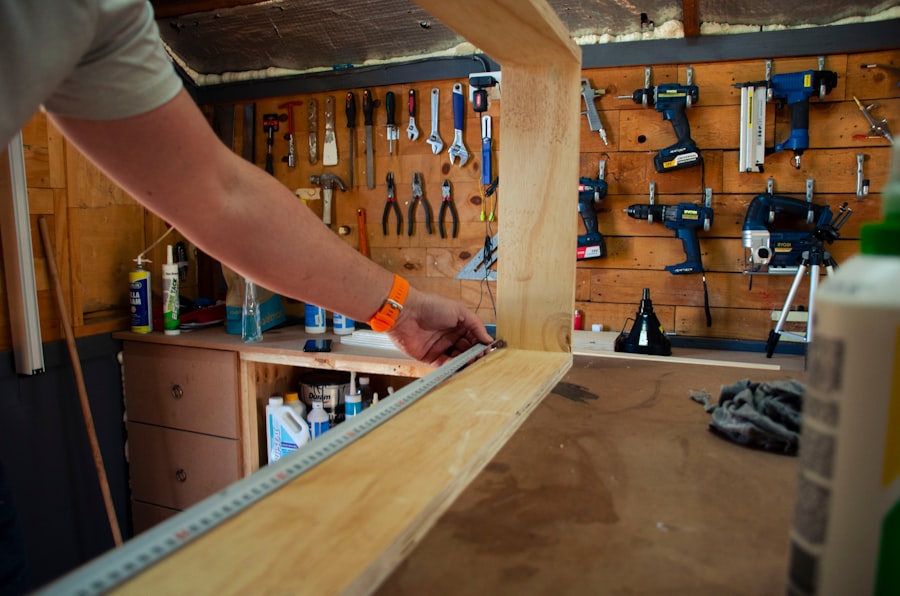
Custom joinery solutions offer an unparalleled opportunity to tailor elements to suit specific architectural styles, ensuring that every detail aligns with the overall vision of the home. For instance, in a Victorian property, bespoke joinery can incorporate ornate details such as architraves and skirting boards that reflect the era’s craftsmanship. This attention to detail not only preserves the historical integrity of the home but also enhances its charm and character.
Conversely, modern architectural styles often call for clean lines and innovative materials. Custom joinery in contemporary homes may include features such as frameless glass doors or integrated storage solutions that maximise space while maintaining an uncluttered aesthetic. By collaborating with skilled craftsmen who understand the nuances of different architectural styles, homeowners can achieve a cohesive look that elevates their property’s design while ensuring functionality and comfort.
Curb appeal is an essential aspect of any home, influencing not only how it is perceived by passers-by but also its overall market value. Custom joinery plays a pivotal role in enhancing this appeal by allowing homeowners to create unique features that draw attention and admiration. For example, a beautifully crafted front door made from high-quality timber can serve as a stunning focal point, inviting guests to explore further while also providing security and insulation.
In addition to doors, custom window frames can significantly impact a home’s exterior appearance. By opting for bespoke designs that complement the architectural style, homeowners can create a harmonious look that enhances the overall aesthetic. Furthermore, incorporating elements such as decorative shutters or bespoke porch railings can add layers of interest to the façade.
These thoughtful details not only improve curb appeal but also contribute to a sense of pride in homeownership, making custom joinery an invaluable investment for those looking to elevate their property’s exterior.
One of the most significant advantages of custom joinery is its ability to maximise space and enhance functionality within a home. In many cases, standard furniture and fixtures may not adequately utilise available space, leading to cluttered or inefficient areas.
For instance, built-in shelving units can be designed to fit snugly into alcoves or awkward corners, providing ample storage without sacrificing style. Moreover, custom joinery can be particularly beneficial in smaller homes or apartments where every square metre counts. By designing multifunctional pieces—such as a bench with hidden storage or a dining table that extends when needed—homeowners can optimise their living spaces without compromising on aesthetics.
This level of adaptability ensures that each area serves its purpose effectively while maintaining an inviting atmosphere.
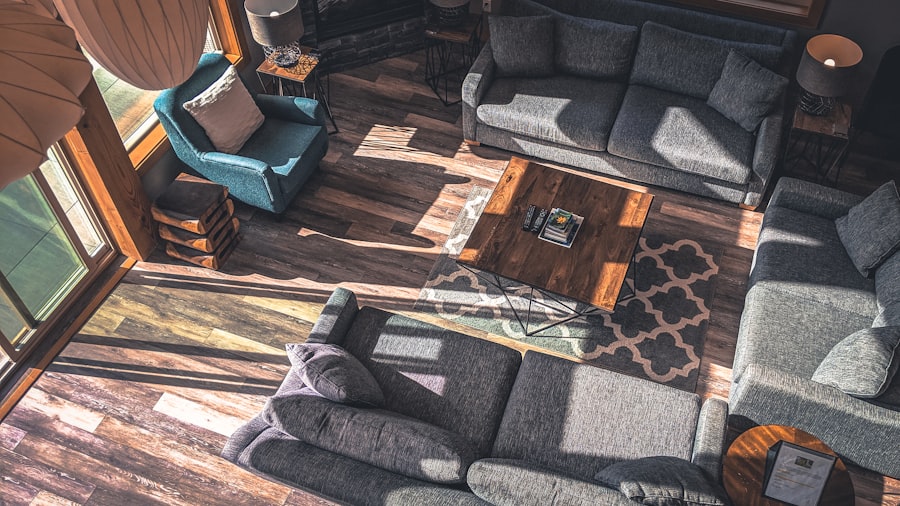
The impact of custom joinery extends beyond mere aesthetics; it plays a crucial role in creating lasting impressions on guests and visitors. When entering a home, individuals are often drawn to unique features that reflect the homeowner’s personality and style. Custom joinery allows for the incorporation of distinctive elements such as bespoke cabinetry or intricately designed staircases that leave an indelible mark on anyone who steps inside.
Furthermore, custom joinery can be used to tell a story about the home itself. For example, incorporating reclaimed wood from an old barn into cabinetry or shelving can evoke nostalgia and connect the home to its surroundings or history. This narrative quality adds depth to the design and fosters an emotional connection between the space and its inhabitants.
By investing in custom joinery that resonates with personal experiences or local heritage, homeowners can create an environment that feels both unique and inviting.
In addition to aesthetic considerations, custom joinery offers significant advantages in terms of security and durability. High-quality materials and expert craftsmanship ensure that doors and windows are not only visually appealing but also robust enough to withstand wear and tear over time. For instance, solid timber doors with advanced locking mechanisms provide enhanced security while maintaining an elegant appearance.
Moreover, custom joinery can be designed with durability in mind, utilising materials that resist environmental factors such as moisture or UV exposure. This is particularly important in regions with harsh weather conditions where standard joinery may deteriorate quickly. By opting for bespoke solutions tailored to specific environmental challenges, homeowners can ensure that their investments stand the test of time while providing peace of mind regarding safety and longevity.
Investing in custom joinery is not merely about enhancing aesthetics; it represents a commitment to quality, functionality, and individuality within one’s home. While initial costs may be higher than off-the-shelf alternatives, the long-term benefits often outweigh these expenses. Custom joinery adds significant value to a property by improving its overall appeal and functionality, making it more attractive to potential buyers should homeowners decide to sell in the future.
Additionally, bespoke joinery solutions often lead to increased energy efficiency through better insulation and sealing properties compared to standard options. This translates into lower energy bills over time, further justifying the investment. Ultimately, custom joinery allows homeowners to create spaces that reflect their unique tastes while providing practical benefits that enhance everyday living experiences.
The decision to invest in custom joinery is one that pays dividends in both aesthetic pleasure and functional excellence for years to come.
Custom joinery not only elevates the look of your home but can also be adapted from successful designs used in shops. You can read more about this in the article Elevate Your Shop with Tailored Fitout Solutions.
Custom joinery refers to the craft of creating bespoke wooden fittings and fixtures tailored specifically to the dimensions and style of a home. This includes items such as doors, window frames, staircases, and built-in furniture.
Custom joinery can elevate your home’s entry by providing unique, high-quality wooden features that complement your home’s architecture. It allows for personalised designs that improve both aesthetics and functionality, creating a welcoming and impressive entrance.
Common materials include hardwoods like oak, mahogany, and walnut, as well as softwoods such as pine. The choice of material depends on the desired look, durability, and budget.
Custom joinery typically costs more than standard, mass-produced options due to the bespoke design, craftsmanship, and higher quality materials involved. However, it can add significant value and character to your home.
The timeframe varies depending on the complexity of the design and the scope of the project. Generally, it can take anywhere from a few weeks to several months from design to installation.
Yes, custom joinery can enhance security by incorporating robust materials and secure locking mechanisms tailored to your specific needs, providing both strength and peace of mind.
In most cases, internal joinery does not require planning permission. However, if the work involves structural changes or affects the external appearance of a listed or conservation property, permission may be necessary. It is advisable to check with your local planning authority.
Look for a joiner with experience in bespoke work, good references, and a portfolio of completed projects. It is important to discuss your requirements clearly and ensure they understand your vision and budget.
Absolutely. One of the main benefits of custom joinery is its ability to seamlessly blend with or complement existing architectural details, ensuring a cohesive and harmonious look.
Maintenance depends on the type of wood and finish used. Generally, regular cleaning, occasional polishing, and timely repairs of any damage will keep the joinery looking its best and prolong its lifespan.
Don’t Take Our Word For It
Aspec has recieved fantastic 5/5 Star Rating from its clients!
Professional from start to finish!
Wow! Omar was fantastic right from the very beginning! With 6 weeks to go until baby number 2s arrival, Omar delivered on his word to create a phenomenal outdoor kitchen for our alfresco area! It is exactly the vision we had in mind! We are so impressed with the workmanship and quality as well as the effort to get the work completed in such a tight timeframe. Very open and honest about pricing upfront also! Would highly recommend Omar and his team. The level of professionalism, honesty, workmanship and quality was spot on and always has time to discuss and go through any questions or concerns. Thank you A Spec Joinery for doing a fantastic job and in the short time we had to do it by! Particularly fitting us in a busy December!
Bianca M Vucetic
Professional from start to finish!
Great attentions to detail very informative throughout highly reccomend!
Mark, Double Bay
Professional from start to finish!
Omar installed a new kitchen for us. The process was easy and Omar kept in contact with us at all stages. The kitchen was installed in only a couple of days and looks fantastic. We’re very happy with the result.
Mat Pal
Professional from start to finish!
Omar was excellent to deal with. He and his team built and installed a large built-in wardrobe and cupboard, giving us good advice on the design. He was very professional in surveying the complex space for the units – it’s an older house with uneven floor and ceiling – and in preparing the design. His team constructed the units off-site within the time he indicated. Installation was complex and went very smoothly. The whole project was on time and on budget and the product delivered was of the highest quality. We would certainly use him again and recommend him to our friends.
Phillip Hart
Professional from start to finish!
Omar was fantastic to deal with and produced outstanding quality work for our new storage cupbaords and floating shelves. The final product was exactly what we wanted and made with care and attention. We highly recommend him for joinery and cabinetry works. Many thanks, Vince
Vincent Banton
Professional from start to finish!
Omar and his team are awesome. Professional, efficient and really went the extra mile creating beautiful joinery for my studio. Will definitely engage their services again and refer to anyone.
Carla Sconce
Professional from start to finish!
Dealt with Omar from A Spec on our office fit out, all work was done ahead of time and costs were maintained the whole way through. Would happily use A Spec again or recommend to anyone without hesitation.
Emanuel Karantonis
Professional from start to finish!
My experience with Omar and his team has been amazing and trouble-free.
Omar’s attention to detail and quick response time gave me comfort and confidence that the end product would be great.
Being in the construction industry, I couldn’t fault their workmanship and timing. Everything delivered on time and on budget.
Would definitely use Aspec Joinery again.
Ben Yee
Professional from start to finish!
Omar and the team at A Spec Joinery built our kitchen and bookshelves in 2021. The work is really high quality. It’s now 2024 and everything still looks great and functions just like the day they were built. I would highly recommend A Spec, particularly for the after build service. Nothing is too much trouble for Omar.
Alistair McLean
Professional from start to finish!
Omar and his team have worked wonders on all our joinery for our renovation, they constantly went above and beyond during all aspects of the build from planning to manufacturing and installation.
They have done an absolutely beautiful job and it is my pleasure to recommend A-Spec joinery to everyone.
Their professional attitude was exemplary and it was always lovely having Omar and the team in our house, they made an extremely stressful renovation into a positive experience.
A-Spec Joinery made our dreams come true and there are no words that can express how appreciative we are and so happy that we chose them.
If you want the best go with A-Spec Joinery.
Vincent & Anna
Vincent Jones
Professional from start to finish!
Paul Casey
Professional from start to finish!
Matt B
Professional from start to finish!
Our experience with A Spec Joinery was outstanding. We were happy with every phase of our project from initial concept to drawings to finished products. Omar and his team’s attention to detail was fantastic. Highly recommend!!!
Sharon Antonir
Professional from start to finish!
High quality work, on time on budget very professional would engage their services again 100%. 2yrs on asked Omar for additional work and once again very professional, on time and very helpful.
Maurice Natoli