Bespoke joinery is a time-honoured craft that marries artistry with functionality, creating unique wooden structures tailored to individual specifications. This intricate process involves skilled artisans who possess a deep understanding of wood properties, joinery techniques, and design principles. Unlike mass-produced furniture, bespoke joinery is characterised by its attention to detail and the ability to create pieces that fit perfectly within a given space.
The craftsmanship involved in bespoke joinery is not merely about assembling wood; it is about understanding the nuances of each piece, from grain patterns to the way light interacts with different finishes. The journey of bespoke joinery begins with a vision, often inspired by the client’s needs and the architectural context of the space. Artisans engage in a dialogue with clients to grasp their requirements, preferences, and lifestyle.
This collaborative approach ensures that the final product is not only functional but also resonates with the client’s aesthetic sensibilities. The craftsmanship involved requires a blend of traditional techniques and modern technology, allowing for precision and creativity to coexist. Each piece is meticulously crafted, often involving hand tools and techniques that have been passed down through generations, ensuring that the final product is not just furniture but a work of art.
The transformative power of bespoke joinery lies in its ability to enhance both the functionality and aesthetic appeal of a living space. Custom-made furniture and fixtures can be designed to fit awkward spaces or to serve specific purposes that off-the-shelf products simply cannot accommodate. For instance, a bespoke bookshelf can be crafted to fit snugly into an alcove, utilising every inch of available space while providing a stunning focal point in a room.
This level of customisation allows homeowners to maximise their space effectively, creating an environment that feels both spacious and organised. Moreover, bespoke joinery can significantly elevate the overall design of a home. By incorporating unique elements such as intricate mouldings, custom cabinetry, or tailored shelving units, homeowners can create a cohesive look that reflects their personal style.
The ability to choose finishes, colours, and styles means that each piece can harmonise with existing decor or stand out as a statement piece, ultimately transforming the atmosphere of the entire living space.
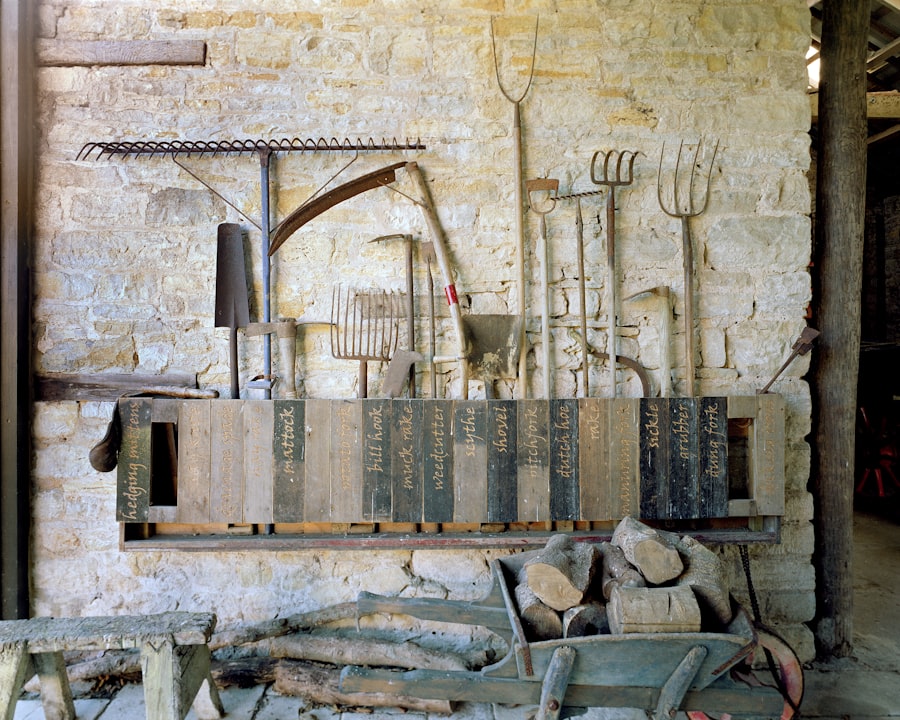
Selecting the appropriate materials for bespoke joinery is crucial in achieving both durability and aesthetic appeal. Wood remains the most popular choice due to its versatility and natural beauty. Different types of wood offer varying characteristics; for instance, oak is renowned for its strength and longevity, while walnut provides a rich colour and intricate grain patterns that add warmth to any space.
Additionally, softer woods like pine can be used for more casual settings or where budget constraints are a consideration. The choice of wood not only affects the visual outcome but also influences the longevity and maintenance requirements of the finished product. Beyond wood, other materials can be incorporated into bespoke joinery designs to enhance functionality and style.
For example, glass elements can be used in cabinetry to showcase decorative items or fine china, while metal accents can add a contemporary touch to traditional wooden pieces. The combination of materials allows for creative expression and innovation in design. Furthermore, sustainable materials are increasingly being favoured in bespoke joinery projects, reflecting a growing awareness of environmental impact.
Reclaimed wood or sustainably sourced timber not only contributes to eco-friendly practices but also adds character and history to bespoke pieces.
Engaging with a bespoke joinery designer is an enriching experience that begins with an initial consultation. During this meeting, clients are encouraged to share their ideas, preferences, and any specific requirements they may have. A skilled designer will listen attentively, asking probing questions to fully understand the client’s vision while also offering insights based on their expertise.
This collaborative process often involves sketching preliminary designs and discussing various options regarding materials, finishes, and styles. Once the design concept is established, the designer will typically provide detailed drawings and specifications for approval before moving forward with production. This stage is crucial as it allows clients to visualise the final product and make any necessary adjustments.
After approval, the actual crafting process begins, where skilled artisans bring the designs to life using both traditional techniques and modern machinery. Throughout this phase, clients may receive updates on progress and have opportunities for further input, ensuring that the final piece aligns perfectly with their expectations.
One of the most appealing aspects of bespoke joinery is its ability to reflect personal style in every detail. Clients have the opportunity to infuse their unique tastes into the design process, whether through selecting specific wood types or choosing particular finishes that resonate with their aesthetic preferences. For instance, someone who appreciates minimalist design might opt for sleek lines and a monochromatic colour palette, while another client might prefer ornate carvings and rich wood tones that evoke a sense of tradition.
Incorporating personal style also extends beyond mere aesthetics; it encompasses functionality tailored to individual lifestyles. A family with young children may prioritise durable materials and rounded edges for safety, while an avid reader might request custom shelving designed specifically for their extensive book collection. By considering both form and function in bespoke joinery designs, clients can create spaces that are not only visually appealing but also practical and reflective of their everyday lives.
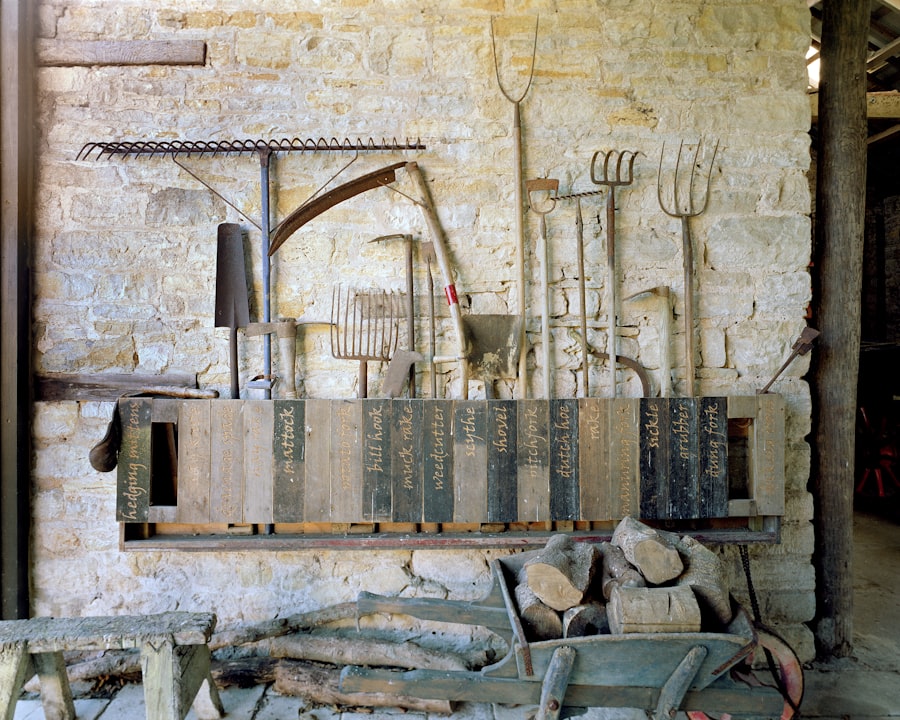
Investing in bespoke joinery can significantly enhance the value of a property. Custom-made features are often seen as premium additions that set a home apart from others on the market. Potential buyers are frequently drawn to unique elements such as handcrafted cabinetry or tailored storage solutions that demonstrate quality craftsmanship and attention to detail.
These bespoke features not only improve functionality but also contribute to an overall impression of luxury and care within the home. Moreover, bespoke joinery can address specific needs within a property that may otherwise deter potential buyers. For example, creating additional storage solutions in small spaces can make a home more appealing by showcasing its practicality.
Similarly, well-designed bespoke furniture can enhance flow and usability throughout living areas, making them more inviting and functional. As such, investing in bespoke joinery is not merely about enhancing personal enjoyment; it is also a strategic decision that can yield significant returns when it comes time to sell.
In an era where sustainability is increasingly at the forefront of consumer choices, bespoke joinery offers an eco-friendly alternative to mass-produced furniture. Many bespoke joiners prioritise sourcing materials from sustainable forests or utilise reclaimed wood from old buildings or furniture. This practice not only reduces waste but also minimises the carbon footprint associated with new timber production.
By choosing bespoke joinery, homeowners can contribute positively to environmental conservation while enjoying high-quality craftsmanship. Additionally, bespoke joinery often results in longer-lasting products compared to their mass-produced counterparts. The durability of well-crafted pieces means they are less likely to end up in landfills over time.
Furthermore, bespoke items are designed with longevity in mind; they can be tailored to withstand wear and tear specific to individual lifestyles. This focus on quality over quantity aligns perfectly with sustainable living principles, making bespoke joinery an attractive option for environmentally conscious homeowners.
To ensure that bespoke joinery remains timeless and retains its beauty over the years, proper maintenance and care are essential. Regular cleaning using gentle products specifically designed for wood surfaces can help preserve finishes without causing damage. It is advisable to avoid harsh chemicals or abrasive materials that could scratch or dull the surface of custom pieces.
Additionally, applying protective coatings or oils periodically can enhance durability while maintaining the natural beauty of the wood. Beyond cleaning, attention should be given to environmental factors that may affect bespoke joinery over time. For instance, fluctuations in humidity can cause wood to expand or contract; therefore, maintaining consistent indoor conditions is beneficial.
Furthermore, placing coasters under drinks or using mats under hot dishes can prevent unsightly marks or damage on surfaces. By adopting these simple yet effective care practices, homeowners can ensure that their bespoke joinery continues to be a source of pride and enjoyment for many years to come.
Bespoke joinery is an exquisite way to reflect your personal style within your home, offering a unique blend of functionality and aesthetic appeal. Whether it’s a custom-built wardrobe or a tailored kitchen, bespoke joinery ensures that every piece is crafted to meet your specific needs and preferences. For those interested in enhancing their living spaces further, an insightful article on
Support
Operating Hours
Open 5 Days
Monday – Friday : 7:30am – 5:00pm