In recent years, the fashion industry has witnessed a significant shift towards sustainability, driven by increasing consumer awareness and environmental concerns. Eco-friendly materials have emerged as a cornerstone of this movement, with designers and brands exploring innovative alternatives to traditional textiles. Organic cotton, hemp, and Tencel are just a few examples of materials that have gained traction due to their lower environmental impact.
Organic cotton, for instance, is cultivated without synthetic pesticides or fertilisers, reducing soil and water pollution. Brands like Stella McCartney have championed the use of such materials, demonstrating that sustainability can coexist with high fashion. Moreover, the rise of recycled materials has further propelled the sustainable fashion narrative.
Brands are now utilising post-consumer waste, such as plastic bottles and discarded textiles, to create new garments. For example, the sportswear giant Adidas has launched initiatives to produce shoes and apparel from ocean plastic, showcasing how waste can be transformed into desirable products. This not only addresses the pressing issue of plastic pollution but also encourages consumers to rethink their purchasing habits.
As more designers embrace eco-friendly materials, the fashion landscape is gradually evolving into one that prioritises environmental responsibility alongside aesthetic appeal.
The intersection of fashion and technology has given rise to a new category of clothing known as tech-infused apparel. This innovative approach incorporates wearable technology into everyday garments, enhancing functionality while maintaining style.
Companies like Under Armour have developed clothing that integrates sensors to track athletic performance, providing users with real-time data to optimise their workouts. Furthermore, the advent of smart fabrics has opened up new avenues for creativity in fashion design. These textiles can change colour or pattern based on environmental stimuli or user preferences, allowing for a dynamic wardrobe that adapts to various occasions.
For instance, the fashion label CuteCircuit has created dresses that can display messages or images through LED technology, merging art and fashion in unprecedented ways. As tech-infused clothing continues to evolve, it challenges traditional notions of what clothing can be, paving the way for a future where garments are not just worn but experienced.
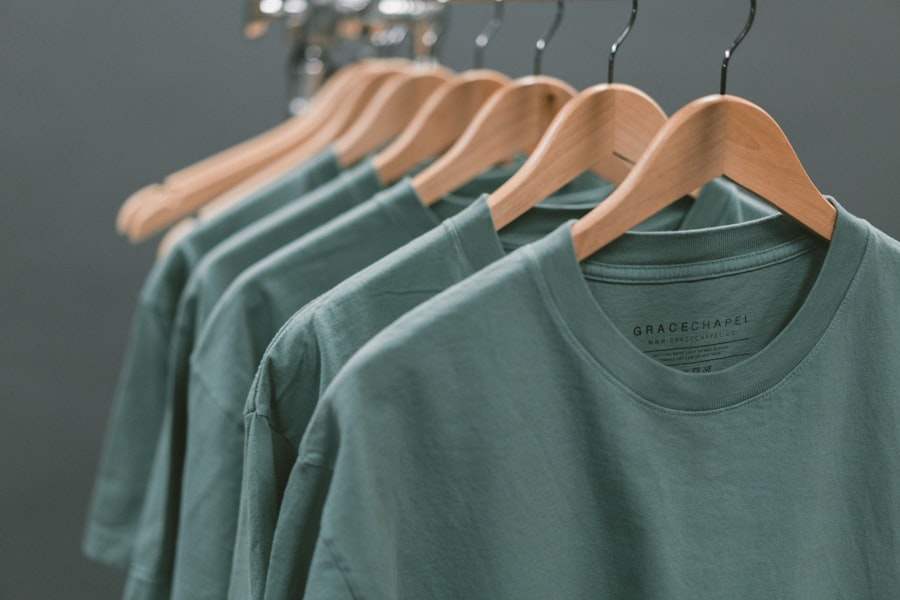
The concept of gender-fluid fashion is reshaping the industry by challenging long-standing norms and promoting inclusivity. Designers are increasingly creating collections that transcend traditional gender binaries, offering clothing that can be worn by anyone regardless of their gender identity. This movement is not merely a trend but a reflection of broader societal changes towards acceptance and diversity.
Brands like Telfar and Palomo Spain have gained recognition for their gender-neutral designs, which celebrate individuality and self-expression. In addition to breaking down barriers in design, gender-fluid fashion also encourages consumers to embrace their personal style without the constraints of societal expectations. The rise of unisex clothing lines has empowered individuals to curate wardrobes that resonate with their identities rather than conforming to prescribed gender roles.
This shift is evident in the popularity of oversized silhouettes, vibrant colours, and eclectic patterns that appeal to a diverse audience. As the fashion industry continues to evolve, the embrace of gender-fluidity signifies a progressive step towards a more inclusive future.
Augmented reality (AR) is revolutionising the way consumers engage with fashion by creating immersive shopping experiences that blend the physical and digital realms. Virtual wardrobes allow users to try on clothes virtually, eliminating the need for physical fitting rooms and enhancing convenience. Retailers like ASOS and Zara have begun implementing AR technology in their apps, enabling customers to visualise how garments will look on them before making a purchase.
This not only streamlines the shopping process but also reduces return rates, which have been a significant issue in online retail. The impact of virtual wardrobes extends beyond mere convenience; it also fosters creativity and experimentation in personal style. Consumers can mix and match items from their existing wardrobe with new pieces, allowing for a more holistic approach to fashion.
Additionally, AR technology can provide styling suggestions based on individual preferences and body types, making it easier for shoppers to discover new looks that suit them. As augmented reality continues to advance, its integration into the fashion industry promises to redefine how we shop and interact with our wardrobes.
Outerwear has always played a pivotal role in fashion, but recent trends have seen a surge in statement pieces that command attention. Bold coats and jackets are becoming essential components of modern wardrobes, serving as focal points that elevate even the simplest outfits. Designers are experimenting with oversized silhouettes, vibrant colours, and unique textures to create outerwear that stands out in any setting.
For instance, brands like Balenciaga have embraced exaggerated shapes and unconventional materials, pushing the boundaries of traditional coat design. The appeal of statement outerwear lies not only in its visual impact but also in its versatility. A striking coat can transform an outfit from mundane to extraordinary with minimal effort.
Layering has become an art form as fashion enthusiasts mix statement coats with casual attire or formal wear, showcasing their personal style while making bold fashion statements. As colder months approach, the demand for eye-catching outerwear continues to grow, reflecting a desire for individuality and self-expression in an often homogenised fashion landscape.
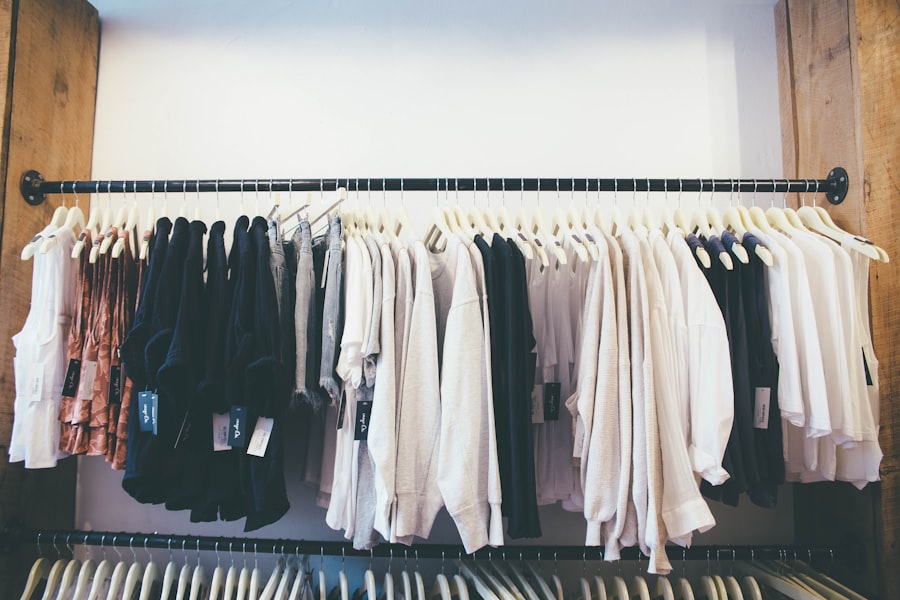
Nostalgia has a powerful influence on contemporary fashion trends, leading to a resurgence of vintage styles that evoke memories of past decades. From 90s grunge to 70s bohemian aesthetics, vintage revival is characterised by a blend of old and new elements that resonate with both older generations and younger consumers seeking unique pieces. Thrift stores and vintage boutiques have become treasure troves for those looking to curate one-of-a-kind wardrobes that tell a story.
The appeal of vintage fashion lies in its authenticity and character; each piece carries a history that mass-produced items often lack. Designers are increasingly drawing inspiration from past eras, reinterpreting classic silhouettes and patterns for modern audiences. For example, brands like Reformation have successfully incorporated vintage-inspired designs into their collections while maintaining a commitment to sustainability.
This fusion of nostalgia with contemporary values reflects a broader trend towards mindful consumption and appreciation for craftsmanship in an age dominated by fast fashion.
Athleisure has evolved from a niche trend into a dominant force within the fashion industry, blurring the lines between activewear and high fashion. This phenomenon reflects changing lifestyles where comfort and functionality are paramount without sacrificing style. Designers are now creating collections that seamlessly integrate performance fabrics with chic designs, allowing consumers to transition effortlessly from gym sessions to social outings.
Brands like Lululemon and Nike have led this charge by offering stylish yet functional pieces that cater to the modern consumer’s multifaceted life. The evolution of athleisure also highlights a cultural shift towards wellness and fitness as integral components of daily life. As more individuals prioritise health and well-being, the demand for stylish activewear continues to rise.
High-profile collaborations between luxury designers and sportswear brands have further legitimised athleisure as a fashionable choice rather than merely practical attire. For instance, collaborations like Adidas x Stella McCartney showcase how athletic wear can be elevated through innovative design while maintaining its core functionality.
The globalisation of fashion has led to an unprecedented exchange of cultural influences that enrich contemporary design practices. Designers are increasingly drawing inspiration from diverse cultures around the world, resulting in collections that celebrate inclusivity and representation. This trend is evident in the incorporation of traditional textiles, patterns, and techniques from various regions into modern garments.
For example, designers like Duro Olowu have gained acclaim for their ability to blend African prints with contemporary silhouettes, creating pieces that resonate across cultural boundaries. Moreover, the push for inclusivity extends beyond aesthetics; it encompasses representation within the industry itself. There is a growing recognition of the need for diverse voices in fashion design, marketing, and modelling.
Initiatives aimed at promoting underrepresented communities are gaining momentum as brands strive to reflect the rich tapestry of global cultures in their campaigns and collections. This shift not only enriches the fashion narrative but also fosters a sense of belonging among consumers who see themselves represented in the garments they choose to wear. As cultural diversity continues to shape fashion trends, it paves the way for a more inclusive industry that values authenticity and creativity above all else.
As we look forward to the wardrobe trends of 2025, it’s essential to consider how our living spaces can complement these evolving styles. A related article that delves into enhancing your home environment is How Custom Cabinets Can Transform Your Living Space. This piece explores the impact of bespoke cabinetry on the aesthetics and functionality of your home, offering insights that can be particularly useful when integrating new wardrobe trends into your living area. By aligning your interior design with the latest fashion trends, you can create a harmonious and stylish home that reflects your personal taste.
Some key wardrobe trends to watch in 2025 include sustainable and eco-friendly fashion, gender-neutral clothing, bold and vibrant colours, oversized and relaxed silhouettes, and a focus on comfort and functionality.
Sustainable and eco-friendly fashion is influencing wardrobe trends in 2025 by promoting the use of organic and recycled materials, reducing waste in the fashion industry, and encouraging ethical and transparent production practices.
Gender-neutral clothing is becoming a prominent trend in 2025 as it promotes inclusivity and diversity, challenges traditional gender norms, and offers versatile and unisex designs that cater to a wider range of consumers.
Bold and vibrant colours play a significant role in the wardrobe trends of 2025 by adding energy and excitement to fashion, expressing individuality and creativity, and creating eye-catching and memorable looks.
Oversized and relaxed silhouettes are shaping the wardrobe trends of 2025 by prioritising comfort and ease of movement, embracing a more laid-back and casual style, and offering a refreshing departure from traditional fitted and structured garments.
There is a focus on comfort and functionality in the wardrobe trends of 2025 as consumers increasingly prioritise practicality and versatility in their clothing choices, especially in response to changing lifestyles and the demand for multi-functional and adaptable garments.
Don’t Take Our Word For It
Aspec has recieved fantastic 5/5 Star Rating from its clients!
Professional from start to finish!
Wow! Omar was fantastic right from the very beginning! With 6 weeks to go until baby number 2s arrival, Omar delivered on his word to create a phenomenal outdoor kitchen for our alfresco area! It is exactly the vision we had in mind! We are so impressed with the workmanship and quality as well as the effort to get the work completed in such a tight timeframe. Very open and honest about pricing upfront also! Would highly recommend Omar and his team. The level of professionalism, honesty, workmanship and quality was spot on and always has time to discuss and go through any questions or concerns. Thank you A Spec Joinery for doing a fantastic job and in the short time we had to do it by! Particularly fitting us in a busy December!
Bianca M Vucetic
Professional from start to finish!
Great attentions to detail very informative throughout highly reccomend!
Mark, Double Bay
Professional from start to finish!
Omar installed a new kitchen for us. The process was easy and Omar kept in contact with us at all stages. The kitchen was installed in only a couple of days and looks fantastic. We’re very happy with the result.
Mat Pal
Professional from start to finish!
Omar was excellent to deal with. He and his team built and installed a large built-in wardrobe and cupboard, giving us good advice on the design. He was very professional in surveying the complex space for the units – it’s an older house with uneven floor and ceiling – and in preparing the design. His team constructed the units off-site within the time he indicated. Installation was complex and went very smoothly. The whole project was on time and on budget and the product delivered was of the highest quality. We would certainly use him again and recommend him to our friends.
Phillip Hart
Professional from start to finish!
Omar was fantastic to deal with and produced outstanding quality work for our new storage cupbaords and floating shelves. The final product was exactly what we wanted and made with care and attention. We highly recommend him for joinery and cabinetry works. Many thanks, Vince
Vincent Banton
Professional from start to finish!
Omar and his team are awesome. Professional, efficient and really went the extra mile creating beautiful joinery for my studio. Will definitely engage their services again and refer to anyone.
Carla Sconce
Professional from start to finish!
Dealt with Omar from A Spec on our office fit out, all work was done ahead of time and costs were maintained the whole way through. Would happily use A Spec again or recommend to anyone without hesitation.
Emanuel Karantonis
Professional from start to finish!
My experience with Omar and his team has been amazing and trouble-free.
Omar’s attention to detail and quick response time gave me comfort and confidence that the end product would be great.
Being in the construction industry, I couldn’t fault their workmanship and timing. Everything delivered on time and on budget.
Would definitely use Aspec Joinery again.
Ben Yee
Professional from start to finish!
Omar and the team at A Spec Joinery built our kitchen and bookshelves in 2021. The work is really high quality. It’s now 2024 and everything still looks great and functions just like the day they were built. I would highly recommend A Spec, particularly for the after build service. Nothing is too much trouble for Omar.
Alistair McLean
Professional from start to finish!
Omar and his team have worked wonders on all our joinery for our renovation, they constantly went above and beyond during all aspects of the build from planning to manufacturing and installation.
They have done an absolutely beautiful job and it is my pleasure to recommend A-Spec joinery to everyone.
Their professional attitude was exemplary and it was always lovely having Omar and the team in our house, they made an extremely stressful renovation into a positive experience.
A-Spec Joinery made our dreams come true and there are no words that can express how appreciative we are and so happy that we chose them.
If you want the best go with A-Spec Joinery.
Vincent & Anna
Vincent Jones
Professional from start to finish!
Paul Casey
Professional from start to finish!
Matt B
Professional from start to finish!
Our experience with A Spec Joinery was outstanding. We were happy with every phase of our project from initial concept to drawings to finished products. Omar and his team’s attention to detail was fantastic. Highly recommend!!!
Sharon Antonir
Professional from start to finish!
High quality work, on time on budget very professional would engage their services again 100%. 2yrs on asked Omar for additional work and once again very professional, on time and very helpful.
Maurice Natoli